Active Learning Is the Separator
Training Insights | ProspectsHI Report | Quick Take
Two players stand in the same drill, for the same hour, with the same coach. One runs the reps and waits to be told what comes next. The other adjusts between reps without being told, watches the rep before hers and steals from it, and troubleshoots a failure before looking at the coach. The first is a participant. The second is an active learner. Only one of them is developing at full speed.
That's not a slogan. Researchers in the Netherlands compared elite youth athletes to lower-level peers across individual and team sports, and the most consistent separator wasn't hours trained. It was reflection: the elite kids habitually processed what went right and wrong in their own performance and used it to adjust. Follow-up work in the same research line found reflective ability separating performance levels even among athletes with similar practice hours and experience. Similar hours. Different players. The difference was whether the athlete was actively processing the training or just attending it.
The good news is that reflection is a habit, and habits can be coached. The catch is that kids conditioned to be handed the answer won't start thinking just because the adults go quiet. Silence has to be earned through a progression, and coaches and parents build it together.
Model it out loud. Narrate the self-correction you want the athlete to eventually own. "Toss drifted behind you. Next rep, toss in front of the hitting shoulder."
Require an answer. "What did you see on that ball?" And "I don't know" doesn't end it. It gets "take a guess" or "watch his next rep and tell me." Praise the attempt at a diagnosis louder than a clean rep.
Make it routine. Thirty seconds at every water break: one thing that worked, one thing you're changing. Partners can run it with each other.
Then use silence. Once the athlete expects the question, your saying nothing after a failed rep becomes a handoff. She starts answering before you ask.
Parents, take the car ride. Not "did you win." Try "what did you figure out today?" A shrug gets a friendly follow-up. When the gym and the car ask the same kind of question, reflection stops being a drill and becomes how the kid thinks.
An active learner in a demanding gym beats a participant in one, at the same hours. That's the separation, and it's coachable.
Research basis: Toering, Elferink-Gemser, Jordet, and Visscher (2009), Journal of Sports Sciences; Jonker (2011), University of Groningen. Full citations in the Full Read.
About the Author
Lee Lamb
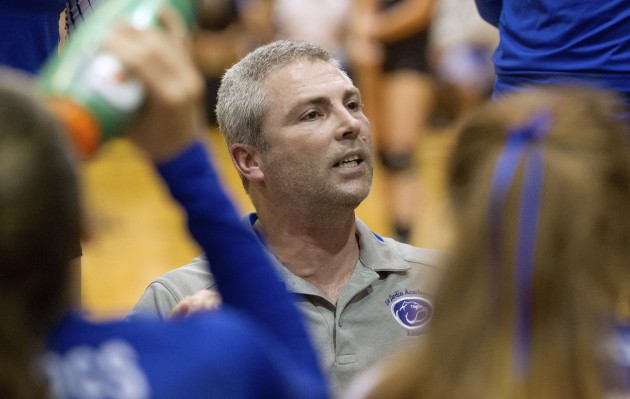
Lee Lamb is a co-owner and head coach at ProspectsHI. With over 25 years of coaching experience across club, high school, and college levels, Lee integrates volleyball skill development and performance training to build athletes who think, adapt, and compete at the next level.
Book a Private Session with Lee →Discussion
Sign in to join the discussion.
This creates your free ProspectsHI reader account for articles and rankings. To book training sessions, use TeamUp.